
Chlorine Safety Protocols: The Complete Guide to Storage and Handling
- Q&A Chlorine
- 07/07/2026
Quick Answer: Chlorine Storage and Handling Rules
To safely store and handle chlorine products like Calcium Hypochlorite (70%), facilities must adhere to strict chlorine safety protocols. Key rules include storing chlorine in a cool, dry, well-ventilated area away from direct sunlight, acids, and organic materials. Handlers must wear proper Personal Protective Equipment (PPE) including chemical-resistant gloves, safety goggles, and respiratory protection. Never mix chlorine with other chemicals, especially ammonia or acids, as this generates toxic gases. Always add chlorine to water, not water to chlorine, to prevent explosive reactions.
1. Introduction to Chlorine Safety
Chlorine is one of the most widely used and highly effective chemical disinfectants in the world. From municipal water treatment facilities to commercial aquaculture farms, it plays an indispensable role in maintaining sanitation, eradicating pathogens, and ensuring public health. However, its immense oxidative power comes with significant risks. Mishandling or improper storage can lead to severe chemical burns, toxic gas emissions, and even fires or explosions.
Understanding and implementing robust chlorine safety protocols is not just a regulatory requirement; it is a moral obligation to protect workers, livestock, and the surrounding environment. This comprehensive guide will walk you through the essential guidelines for managing chlorine safely, with a particular focus on high-concentration solid forms like Calcium Hypochlorite 70%.
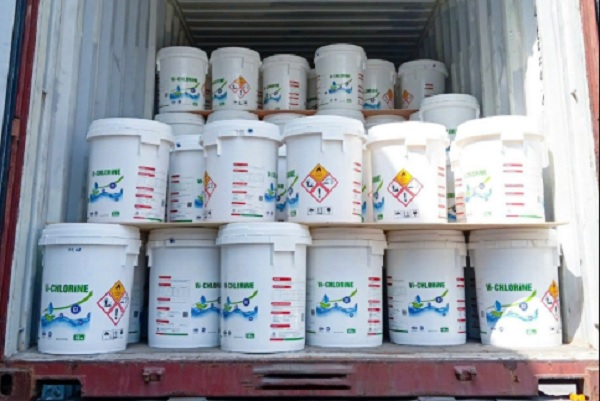
2. Understanding the Hazard: The Chemistry of Chlorine
Before diving into the protocols, it is crucial to understand why chlorine is hazardous. Chlorine is a strong oxidizing agent. When it comes into contact with organic matter, it aggressively strips electrons from the molecules, destroying cellular structures. This is what makes it such a great disinfectant. However, this same mechanism can cause severe damage to human tissue.
NEVER mix chlorine with ammonia, acids (like muriatic acid or vinegar), or organic solvents. Mixing chlorine with acids releases highly toxic chlorine gas (Cl2). Mixing it with ammonia creates chloramines, which can cause respiratory failure.
Furthermore, calcium hypochlorite—a popular solid form of chlorine—can decompose rapidly if exposed to high temperatures or moisture, releasing oxygen and chlorine gases that can fuel fires. Hence, knowing the nature of your specific product is the first step in safety.
3. Personal Protective Equipment (PPE) for Chlorine Handling
Human error is the leading cause of chemical accidents. The first line of defense for any operator is appropriate Personal Protective Equipment (PPE). Standard warehouse clothing is insufficient when dealing with concentrated hypochlorite solutions or granules.
Minimum PPE Requirements
- Eye Protection: Chemical splash goggles are mandatory. A full-face shield over the goggles is recommended when mixing large batches or handling concentrated powders to prevent dust from entering the eyes.
- Respiratory Protection: When handling dry powders like calcium hypochlorite, inhaling the dust can cause severe irritation to the respiratory tract. A NIOSH-approved respirator with acid gas/chlorine cartridges should be used in unventilated areas.
- Skin Protection: Wear heavy-duty, chemical-resistant gloves (such as nitrile, neoprene, or PVC). Avoid latex, as it may degrade. Long-sleeved shirts, long trousers, and a chemical-resistant apron are required.
- Footwear: Closed-toe, non-slip, chemical-resistant boots. Rubber boots are highly recommended for wet environments.
4. Safe Storage Protocols for Calcium Hypochlorite
Proper storage is perhaps the most critical aspect of chlorine safety. A poorly managed storage facility is a ticking time bomb. High-quality commercial products, such as those provided by vi chlorine, are manufactured with stability in mind, but they still require strict adherence to environmental controls.
4.1. Environmental Controls
- Temperature and Humidity: Store chlorine in a cool, dry environment. The ambient temperature should ideally remain below 30°C (86°F). High humidity can cause the product to clump and degrade, losing its active chlorine content (ppm).
- Ventilation: The storage area must be well-ventilated to prevent the accumulation of any off-gassing chlorine vapors.
- Sunlight: Keep containers out of direct sunlight. UV rays accelerate the degradation of hypochlorite compounds.
4.2. Segregation and Compatibility
Chlorine must be isolated from incompatible materials. It should never be stored in the same room as:
- Acids and acidic compounds
- Ammonia and nitrogen-containing compounds (e.g., urea, fertilizers)
- Combustible materials (paper, rags, wood, oils, greases)
- Paints and solvents
Ensure that containers are stored on pallets to prevent contact with moisture from the floor. Depending on your operational scale, you might be utilizing different packaging sizes. For medium-sized operations, a standard Vi chlorine 25kg pail is easy to maneuver, while industrial setups might prefer larger bulk containers.
5. Handling Procedures and Best Practices
When it is time to use the chlorine, the physical handling and mixing process presents the highest risk of acute exposure.
The "Water First" Principle
When preparing a chlorine solution from dry powder or granules, the universal rule is: Always add the chemical to the water; NEVER add water to the chemical. Adding a small amount of water to a large volume of calcium hypochlorite can trigger a violent exothermic (heat-releasing) reaction, which can boil the water instantly and cause the chemical to explode outward.
Step-by-Step Mixing Protocol
- Don all required PPE (goggles, gloves, respirator, apron).
- Ensure the mixing area is highly ventilated (preferably outdoors).
- Measure the required volume of clean, cool water into a chemically resistant mixing tank (e.g., HDPE plastic).
- Carefully weigh the required amount of chlorine powder.
- Slowly pour the chlorine powder into the water while stirring continuously with a clean, non-metallic paddle.
- Allow the solution to settle. Avoid inhaling any fumes generated during the mixing process.
For large-scale agricultural or water treatment facilities, handling larger volumes safely is paramount. Utilizing robust packaging like the vi chlorine 45kg drum can reduce the frequency of handling and the associated risks, provided the operators are trained in heavy lifting and bulk chemical management.
6. Emergency Response: Dealing with Spills and Leaks
No matter how strict your protocols are, accidents can happen. Being prepared for a chemical spill is a non-negotiable part of safety management.
Responding to a Dry Spill (Powder/Granules)
If calcium hypochlorite powder is spilled:
- Evacuate non-essential personnel from the area immediately.
- Put on full PPE, including respiratory protection.
- Do NOT use water to wash down a dry spill. This can create a concentrated, highly corrosive solution and release toxic gases.
- Carefully sweep up the dry material using a clean, dry plastic shovel and broom (avoid metal tools that can create sparks).
- Place the spilled material into a clean, dry, plastic container with a loose-fitting lid. Do not seal tightly, as off-gassing could cause pressure buildup.
- Dispose of the material according to local hazardous waste regulations.
First Aid Measures
| Exposure Route | Immediate Action Required |
|---|---|
| Eye Contact | Flush eyes immediately with plenty of running water for at least 15-20 minutes, holding eyelids open. Seek emergency medical attention immediately. |
| Skin Contact | Remove contaminated clothing. Rinse skin immediately with plenty of water for 15-20 minutes. If irritation persists, seek medical advice. |
| Inhalation | Move the victim to fresh air immediately. If breathing is difficult, administer oxygen. If not breathing, give artificial respiration. Call emergency services. |
| Ingestion | Do NOT induce vomiting. Rinse mouth with water. Drink large quantities of water or milk. Call a poison control center or doctor immediately. |
7. Biosecurity and Aquaculture Applications
Beyond general water treatment, chlorine is a cornerstone of biosecurity, particularly in the rapidly growing aquaculture sector. In shrimp and fish farming, maintaining a pathogen-free environment is the difference between a profitable harvest and a devastating loss due to diseases like Early Mortality Syndrome (EMS) or White Spot Syndrome Virus (WSSV).
Using a standardized, high-quality calcium hypochlorite ensures that the active chlorine concentration is predictable, allowing farmers to calculate precise parts per million (PPM) dosages for pond preparation and equipment sterilization. The importance of reliable biosecurity solutions was recently highlighted when AQUADELTA - Dr.Tom Accompanies Vietshrimp 2025: Vi-CHLORiNE Solution Enhancing Biosecurity in Aquaculture, demonstrating industry-level commitment to safe and effective disease prevention.
Farmers who adhere strictly to safety protocols not only protect their health but also optimize the efficacy of the chemical. By storing chlorine correctly, they ensure it retains its 70% active strength, meaning they use less product to achieve the desired biosecurity outcome.
8. Real-World Case Studies and Testimonials
Theory is important, but practical application proves the value of these protocols. Across Southeast Asia, farmers are recognizing the necessity of transitioning to safer, more stable chemical formulations.
In regions with intensive farming, adopting high-quality products has shifted the paradigm from risky, haphazard chemical application to controlled, scientific water management. Curious about the on-the-ground impact? Read What Do Local Farmers Say About Vi-CHLORiNE to see how implementing proper handling and high-grade chlorine has transformed local aquaculture practices, reducing accidents and improving crop yields.
9. Future Outlook and Market Trends
As we move towards 2025 and beyond, regulatory scrutiny on chemical safety is intensifying globally. The demand for safe, verifiable, and highly stable disinfection products is surging. This is particularly true in the food production sectors. The Global Shrimp Market Outlook 2025: A Golden Opportunity for Asia indicates massive growth potential, but this growth is entirely dependent on sustainable, safe biosecurity practices.
Facilities that integrate comprehensive chlorine safety protocols into their Standard Operating Procedures (SOPs) will be the ones that thrive. They will face fewer regulatory fines, experience less downtime due to accidents, and produce higher quality, safer end-products.
10. Frequently Asked Questions (FAQ)
Need Expert Advice on Chlorine Safety and Biosecurity?
Don't compromise on safety or effectiveness. Ensure your facility is equipped with the highest quality, most stable Calcium Hypochlorite 70% on the market, backed by expert technical support.
Our team of chemical engineers and aquaculture specialists is ready to help you optimize your water treatment protocols.
Contact Us for a Free Consultation Today