
Chlorine in Aquaculture: Best Practices for Shrimp Pond Disinfection (2026 Guide)
- Q&A Chlorine
- 07/07/2026
Quick Answer: Shrimp Pond Disinfection with Chlorine
To effectively disinfect shrimp ponds, farmers typically use Calcium Hypochlorite (70%) at dosages ranging from 20 to 30 ppm for pond preparation. Key best practices include dissolving the chlorine completely before application, maintaining a pH level below 8.0 for maximum efficacy, and ensuring a mandatory waiting period of 7-10 days before stocking to allow for complete chlorine dissipation and the establishment of beneficial microalgae. Always prioritize worker safety by using full PPE during handling and strictly following the "water-first" mixing principle.
1. Introduction: The Critical Role of Biosecurity in Shrimp Farming
In the high-stakes world of modern shrimp aquaculture, biosecurity is not merely an option—it is the foundation of economic survival. Diseases such as White Spot Syndrome Virus (WSSV), Early Mortality Syndrome (EMS), and Vibrio-related infections can decimate a crop in days. The first line of defense against these pathogens is effective pond preparation and sterilization. Among the various chemical agents available, Chlorine remains the industry gold standard due to its rapid pathogen-killing ability, cost-effectiveness, and ease of use.
However, "using chlorine" is not enough. It must be used correctly. In this guide, we explore the best practices for Chlorine in Aquaculture, ensuring you can optimize your disinfection protocols while maintaining a safe environment for your stock and farm workers. For high-quality disinfection results, leading farmers consistently rely on professional-grade vi chlorine to maintain consistent efficacy.
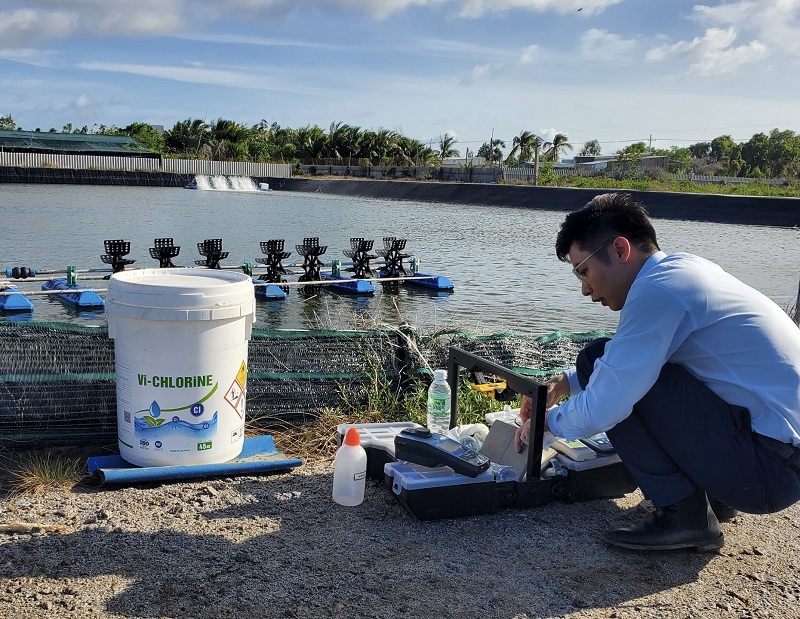
2. Understanding Chlorine Chemistry in Ponds
Chlorine used in aquaculture is typically Calcium Hypochlorite (Ca(OCl)₂). When added to pond water, it reacts to form hypochlorous acid (HOCl), the active agent that penetrates the cell walls of bacteria and viruses, effectively destroying them.
The pH Factor: The efficacy of chlorine is highly dependent on water pH. Hypochlorous acid (HOCl) is the most potent form of chlorine. At a pH of 7.0, approximately 80% of chlorine exists as HOCl. However, as the pH rises above 8.0, the equilibrium shifts, and hypochlorite ions (OCl-)—which are significantly less effective at disinfection—become dominant. Therefore, adjusting pond pH before disinfection is a crucial step.
3. Best Practices for Pond Disinfection
Phase 1: Pre-Disinfection Preparation
Before applying any chemicals, clear the pond of debris and sediment. Organic matter consumes chlorine, drastically reducing its residual power. If your pond is heavily laden with sludge, a higher dosage will be required, which increases costs and risks to the local ecosystem.
Phase 2: Dosage Strategy
For standard pond sterilization between crops, a dose of 20-30 ppm (parts per million) is common. However, specific scenarios require adjustments:
- Clean water (low organic load): 15-20 ppm.
- Dirty/High organic load: 30+ ppm (or preferably, remove the sludge first).
For precise applications on mid-sized ponds, using a reliable Vi chlorine 25kg pail allows for easier inventory management and precise weight measurement, minimizing the risk of under-dosing or over-dosing.
4. Safety Protocols: Protecting the Farmer
Handling concentrated calcium hypochlorite is inherently dangerous. It is a powerful oxidant that can cause severe skin burns, eye damage, and respiratory distress if inhaled as dust.
The Golden Rule: Water First
Always add the chlorine to the water, never water to the chlorine. Pouring water directly onto a concentrated chlorine pile can trigger a violent exothermic reaction, potentially leading to toxic gas release or fire.
Recent advancements in biosecurity management emphasize that product quality and handler expertise go hand-in-hand. This synergy was central to the discussions where AQUADELTA - Dr.Tom Accompanies Vietshrimp 2025: Vi-CHLORiNE Solution Enhancing Biosecurity in Aquaculture, providing insights into how modernized protocols are saving farms from preventable outbreaks.
5. Managing Chlorine Residuals
After disinfection, the "dechlorination" phase is equally critical. You cannot stock shrimp in water with high chlorine residuals, as it will cause gill damage and mass mortality. Residual chlorine must be neutralized or left to dissipate naturally.
Natural Dissipation: In sunny conditions, aerating the pond vigorously can speed up the dissipation of chlorine. This typically takes 7-10 days.
Neutralization: For faster turnaround, Sodium Thiosulfate can be used to neutralize residual chlorine. Always perform a simple DPD colorimetric test before introducing post-larvae (PL) to ensure the residual level is zero.
6. Scaling and Market Outlook
As the aquaculture industry faces increasing pressure to become sustainable, efficient chemical management is a key differentiator between profitable farms and those that struggle. For large-scale operations, streamlining the supply chain is essential. Opting for vi chlorine 45kg containers not only reduces packaging waste but also improves storage efficiency, ensuring that the facility has enough buffer stock to respond quickly to potential disease threats.
The macro-economic landscape is favorable for those who adopt these best practices. According to the Global Shrimp Market Outlook 2025: A Golden Opportunity for Asia, demand is rising, and farmers who maintain rigorous, science-based biosecurity standards are perfectly positioned to capitalize on this growth.
7. Practical Insights: Lessons from the Field
Theoretical knowledge is vital, but practical implementation varies by region and pond conditions. By listening to those who manage ponds daily, we can refine our approach. For a deeper understanding of how these protocols translate into real-world success, read What Do Local Farmers Say About Vi-CHLORiNE, where regional experts share their experiences in balancing chemical usage with ecological stability.
8. Frequently Asked Questions (FAQ)
It is recommended to wait at least 7 to 10 days after chlorine application. Always test for zero chlorine residual before stocking.
Yes, chlorine is a broad-spectrum disinfectant and will kill beneficial nitrifying bacteria as well. You must re-establish the pond's probiotic population after the chlorine has fully dissipated.
Chlorine is generally not recommended for use while shrimp are present, as it is toxic. It is strictly a pre-stocking or equipment disinfection tool.
Optimize Your Pond Biosecurity Today
Are you ready to take your shrimp farming to the next level? Connect with our technical experts to discuss the best chlorine solutions for your specific pond conditions.
Consult with Our Experts