
Quick Summary: The choice between Calcium Hypochlorite (solid) and Sodium Hypochlorite (liquid) depends on your specific needs. Calcium Hypochlorite (often used in products like vi chlorine) is preferred for long-term storage, transport, and high-concentration industrial disinfection due to its stability and high active chlorine content. Sodium Hypochlorite (liquid bleach) is easier to dose for automated small-scale systems but suffers from rapid degradation and transportation difficulties.
Selecting the right chlorination method is a critical decision for water treatment professionals, aquaculture farmers, and industrial plant managers. While both Calcium Hypochlorite and Sodium Hypochlorite are potent oxidizing agents, their physical properties, shelf-life, and application protocols differ significantly.
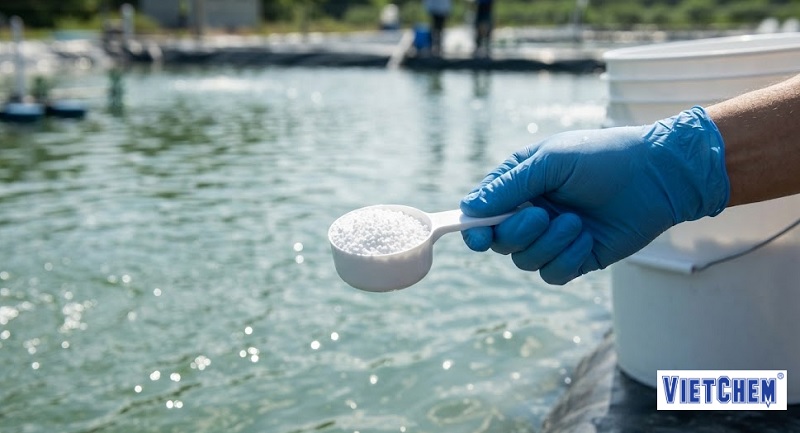
1. Understanding the Chemistry: What are they?
Calcium Hypochlorite: The Powerhouse of Stability
Calcium Hypochlorite [Ca(OCl)₂] is a white granular or tablet-based chemical. It is highly concentrated, typically containing 65-70% available chlorine. Because it is a solid, it is incredibly efficient for storage. For professionals looking for high-impact disinfection, choosing the right packaging, such as Vi chlorine 25kg, provides optimal concentration levels for large-scale operations.
Sodium Hypochlorite: The Ready-to-Use Liquid
Sodium Hypochlorite (NaOCl) is commonly known as liquid bleach. It is usually sold in concentrations between 10% and 15%. While convenient, its liquid form presents challenges: it is sensitive to heat, light, and age, meaning it loses potency rapidly over time.
2. Side-by-Side Comparison: Key Differences
| Feature | Calcium Hypochlorite | Sodium Hypochlorite |
|---|---|---|
| Form | Granular/Tablet | Liquid |
| Shelf Life | Long (Stable) | Short (Degrades quickly) |
| Chlorine Content | High (65-70%) | Lower (10-15%) |
| Storage | Requires dry, cool space | Requires dark, temperature-controlled |
3. Application Guide: Choosing the Right Solution
For Aquaculture: Ensuring Biosecurity
In the shrimp farming industry, the stakes are high. Environmental control is paramount. As noted in the AQUADELTA - Dr.Tom Accompanies Vietshrimp 2025: Vi-CHLORiNE Solution Enhancing Biosecurity in Aquaculture report, Calcium Hypochlorite is the gold standard for pond sterilization because it provides a reliable residual effect that liquid chlorine cannot match.
Farmers often require larger quantities for seasonal pond preparation. Utilizing robust options like vi chlorine 45kg ensures that operations are not interrupted by frequent restocking of liquid chemicals.
For Large Industrial Plants
Efficiency is the name of the game. When you consider the logistics of transporting heavy liquid volumes versus compact granular powder, Calcium Hypochlorite is the economically superior choice. Read more about industry trends in the Global Shrimp Market Outlook 2025: A Golden Opportunity for Asia to understand why market leaders are shifting towards more stable, granular disinfection solutions.
4. Why Trust and Proven Results Matter
Technical specifications are important, but real-world application confirms the theory. We have documented extensive feedback regarding the effectiveness of these products. Discover What Do Local Farmers Say About Vi-CHLORiNE to see why they trust granular Calcium Hypochlorite for their daily water treatment tasks.
Conclusion: Which One Should You Choose?
If your application requires long-term storage, high-concentration performance, and cost-effective transportation, Calcium Hypochlorite is the winner.
However, if you operate a small-scale automated pool system where continuous liquid dosing is already installed, Sodium Hypochlorite might be your current standard—though switching to granular solutions often proves to be a significant cost-saving upgrade in the long run.
Ready to optimize your water treatment strategy?
Contact our experts today for a free consultation on the right Chlorine dosage for your facility.
Frequently Asked Questions (FAQ)
A: Absolutely not. Mixing them can create dangerous chemical reactions, including the release of toxic chlorine gas. Always use one or the other.
Q: Which one is more cost-effective?A: Calcium Hypochlorite is generally more cost-effective per unit of available chlorine because it is more concentrated and cheaper to transport than liquid bleach, which is mostly water.
Q: Does the form affect the dosage?A: Yes. Because Calcium Hypochlorite has a higher concentration, you will need a much smaller physical amount compared to Sodium Hypochlorite to reach the same PPM level.